Showing posts with label Kidney Disease. Show all posts

Wednesday, February 14, 2024

The Mystery between Rainwater Solar Terms and Traditional Chinese Medicine Nephropathy


As the rainy season approaches, nature begins to gradually awaken and all things revive. Rainwater, as one of the twenty-four solar terms, marks the beginning of rainfall and the gradual increase in rainfall. In traditional Chinese medicine theory, the rainy season is closely related to the physiological and pathological changes of the human body, especially for patients with kidney disease, the regulation during this period is particularly important.

1. Rainwater Solar Terms and the Five Elements of Traditional Chinese Medicine

The rainy season belongs to spring, which belongs to wood in the Five Elements and corresponds to sourness, greenery, and the East. However, water is the mother of wood, and the arrival of rainwater provides nourishment for the wood elements in spring. The kidney belongs to water in the Five Elements, corresponding to winter, northern, and black. Although spring is the main season, the kidneys, as water organs, still receive special attention during this period. Because the kidney is the innate foundation, responsible for storing essence and providing the driving force for life activities. In spring, liver wood grows and needs nourishment from kidney water. Therefore, the rainy season is of great significance for regulating the kidneys.

2. The Effect of Rainwater Solar Terms on Kidney Disease

Increased humidity: During the rainy season, the humidity in the air gradually increases. Heavy dampness can easily trap the spleen and stomach, affecting the circulation of water and dampness. For patients with kidney disease, the invasion of dampness can increase the burden on the kidneys, leading to worsening symptoms such as edema and poor urination.

Cold evil has not completely receded: Although the temperature gradually rises in spring, during the rainy season, the cold evil has not completely receded. Cold pathogens can easily invade the kidneys, leading to kidney yang deficiency and weakness, resulting in symptoms such as soreness and weakness in the waist and knees, fear of cold, and cold limbs. Therefore, patients with kidney disease still need to pay attention to keeping warm and avoiding the invasion of cold pathogens during this period.

Emotional fluctuations: Liver wood grows in spring, and emotions are prone to fluctuations. For patients with kidney disease, emotional fluctuations can affect the circulation of qi and blood, thereby increasing the burden on the kidneys. Therefore, maintaining emotional stability is particularly important for regulating kidney disease patients.

3. The Relationship between Traditional Chinese Medicine Regulating Kidney Disease and Rainwater Solar Terms

Dispelling dampness and strengthening the spleen: During the rainy season, patients with kidney disease should pay attention to dispelling dampness and strengthening the spleen. It is advisable to consume foods that have the function of invigorating the spleen and dispelling dampness, such as yam, coix seed, and lentils. At the same time, avoid consuming overly greasy and sweet foods to avoid exacerbating dampness.

Warm tonifying kidney yang: In response to the situation where cold pathogenic factors have not yet subsided, kidney disease patients can appropriately consume warm foods, such as chives, ginger, lamb, etc., to enhance the warming effect of kidney yang. At the same time, pay attention to keeping warm and avoid the invasion of cold evil.

Emotional regulation: In spring, when emotions fluctuate greatly, kidney disease patients should pay attention to emotional regulation. Stress can be relieved and emotional stability can be maintained through appropriate exercise, listening to music, and communicating with friends.

4. Summary and Outlook

There is a close relationship between the rainy season and traditional Chinese medicine kidney disease. During this period, patients with kidney disease should pay attention to regulating aspects such as dispelling dampness, strengthening the spleen, warming and tonifying kidney yang, and regulating emotions. At the same time, it is important to closely monitor changes in one's own condition and seek timely medical treatment. Through scientific and reasonable conditioning and treatment, it is believed that kidney disease patients can spend a healthy and comfortable rainy season.

Saturday, February 3, 2024

About Renal Visceral Manifestation Theory


The formation of medicine begins with the study of the human body, just as philosophy also starts with the study of humans and gradually leads to nature and society. The study of humans is the prerequisite and foundation for the formation of philosophical ideas. In this sense, anatomy based on the human body as the object of observation is the only foundation for the formation of medical science.

As is well known, the viscera in traditional Chinese medicine mainly describe the concept of human body function. For a long time, we have been troubled by a seemingly simple question, which is what kind of relationship is between the organs and anatomical organs in traditional Chinese medicine's Visceral Manifestation Theory? If the organs in traditional Chinese medicine mainly describe the concept of human body function, why do textbooks still introduce traditional Chinese medicine's understanding of the shape and position of organs? If the organs and anatomical organs in traditional Chinese medicine cannot be separated, why does traditional Chinese medicine not accept the mature anatomical achievements of Western medicine, and even the earliest anatomical content recognized by traditional Chinese medicine is gradually abandoned? The in-depth exploration of these issues is undoubtedly a major theoretical problem faced by the research of traditional Chinese medicine theory. It will not only promote a deeper understanding of the theory of hidden phenomena in traditional Chinese medicine, but also enhance the understanding of the entire basic theory of traditional Chinese medicine.

Friday, February 2, 2024

The Important Significance of Studying Traditional Chinese Medicine Nephrology


Conducting comprehensive and systematic research on the field of traditional Chinese medicine Nephrology not only helps to deepen the theory and improve itself, but also has extremely important theoretical significance for improving the overall academic level of traditional Chinese medicine. Every discipline has a process of formation, development, and gradual improvement, and every era has research achievements that surpass those of predecessors. Traditional Chinese Nephrology is no exception, as its unique theoretical system goes beyond the understanding conditions provided by natural sciences at that time in some aspects. Traditional Chinese medicine literature is vast, but there are very few monographs on kidney disease research. It is of great practical significance to comprehensively and systematically organize and study the theory of kidney disease in traditional Chinese medicine, enrich the basic theory of traditional Chinese medicine, and make it more suitable for the differentiation and development of clinical disciplines in traditional Chinese medicine.

Due to historical limitations, the theory of traditional Chinese medicine nephrology inevitably has its limitations in its formation and development. For example, the understanding of disease phenomena and their laws is often grasped from a macro perspective; The understanding of the kidney is often characterized by functional simulation, lacking micro level understanding methods; For diseases with organic changes in the kidneys, it is often difficult to diagnose them using traditional kidney disease theory in the hidden stage where compensatory function has not yet shown abnormalities. We should combine the traditional theoretical methods of traditional Chinese medicine with modern scientific methods, strengthen the basic and clinical research of kidney disease theory, and improve the research of kidney disease in traditional Chinese medicine from a new starting point.


Thursday, February 1, 2024

Led by traditional Chinese medicine, referring to Western medicine, and emphasizing clinical efficacy


On the basis of inheriting and carrying forward the basic theory of traditional Chinese kidney disease, the theoretical system of traditional Chinese kidney disease extensively absorbs the advanced achievements of modern medicine, continuously innovates and develops, making it more scientific and increasingly practical in clinical practice, better serving the clinical needs of patients.

(1) Basic theoretical research

By utilizing modern medical research methods to strengthen the theoretical research of traditional Chinese kidney disease, such as establishing kidney disease models to study the essence of traditional Chinese kidney disease, fruitful results have been achieved. This has enabled the theoretical integration of traditional Chinese and Western kidney disease, expanding the space for the basic theory of traditional Chinese kidney disease, and providing modern medical basis for the basic theory of traditional Chinese kidney disease, And it is of great significance for future development and guiding clinical practice.

(2) Clinical practice

The combination of traditional Chinese and Western medicine for kidney disease is more diverse in methods and content. The main methods include the combination of traditional Chinese and Western medicine based on Western medicine, the combination of traditional Chinese and Western medicine based on traditional Chinese medicine syndromes, and the combination of traditional Chinese and Western medicine in treatment, fully demonstrating the broad development prospects of the theoretical system of traditional Chinese kidney disease in guiding clinical practice.

Wednesday, January 31, 2024

Characteristics of Traditional Chinese Medicine Nephrology Theory


 (1) Pay attention to the sorting of ancient literature on traditional Chinese medicine kidney

The theory of traditional Chinese medicine is vast and profound, with a vast body of medical literature related to it. Among them, there are many discussions on the kidneys, which are the source of the theoretical system of traditional Chinese kidney disease. The ancient literature on kidney in traditional Chinese medicine medical books of all dynasties has been sorted out, and a preliminary database of ancient literature on kidney disease in traditional Chinese medicine has been established, laying a good literature foundation for the sorting out of the theory of kidney disease in traditional Chinese medicine.

(2) Research on the Basic Theory of Traditional Chinese Medicine with Emphasis on Kidney

In the academic theoretical system of traditional Chinese medicine kidney disease, the basic theoretical research on the kidney has significant theoretical and practical significance. This system not only systematically elaborates on the basic theory and knowledge of traditional Chinese medicine kidney, but also conducts in-depth exploration and research on the disease name analysis, etiology and pathogenesis, as well as syndrome differentiation and treatment of some Western medicine kidney diseases that correspond strongly to traditional Chinese medicine diagnosis, and has achieved fruitful results.

(3) Emphasize the inheritance and development of traditional Chinese medicine principles, methods, formulas, and medicines

The theoretical system of traditional Chinese medicine nephrology places great emphasis on inheriting the kidney treatment ideas of famous traditional Chinese medicine practitioners throughout history, and screening effective single and proven formulas for treating kidney disease from ancient Chinese medicine books and folk therapies for research and application. At the same time, learning from the past rather than sticking to it, exploring and developing classical theories to serve clinical treatment, and innovating treatment methods, such as nourishing qi and yin, external application therapy for renal failure, traditional Chinese medicine enema, water bath therapy for renal failure, as well as staged treatment of acute and chronic renal failure, greatly enrich the content of the theoretical system of traditional Chinese kidney disease, with stronger theoretical and practical significance.

Tuesday, January 30, 2024

Formation and Development of the Theoretical System of TCM Nephrology


The formation and development of the theoretical system of traditional Chinese medicine nephrology, like the formation of traditional Chinese medicine theory, are gradually developed and improved through continuous medical practice.

The explanation of the kidney in traditional Chinese medicine medical texts throughout history is its fundamental source, but for a long time, it was only scattered and did not form a systematic theoretical system. It was not until the earliest surviving monograph on nephrology, "Yi Guan" by Zhao Yangkui in the Ming Dynasty, that the embryonic form of this theoretical system was first revealed. Afterwards, there were gradually more specialized discussions on the kidney, and with the continuous clinical practice of numerous medical practitioners, it became increasingly rich. After the liberation, the vast number of traditional Chinese medicine and integrated Chinese and Western kidney disease workers diligently pursued ancient teachings, explored innovation, and emphasized the promotion of the characteristics of traditional Chinese medicine, gradually improving and maturing this theoretical system. Traditional Chinese medicine nephrology has undergone comprehensive development from basic theory to clinical practice and experimental research, gradually forming a complete theoretical system of traditional Chinese medicine nephrology.

Monday, January 29, 2024

Theoretical System of Traditional Chinese Medicine Nephrology

Originating from traditional Chinese medicine, with deep development and a wide range of research scope

The theoretical system of traditional Chinese medicine nephrology is based on the basic theories of traditional Chinese medicine, and the overall concept and syndrome differentiation and treatment are still the biggest characteristics of this theoretical system.

Traditional Chinese medicine kidney disease includes Western medicine kidney disease, which is the sum of diseases caused by the physiological characteristics and pathological changes of traditional Chinese medicine kidneys, including Western medicine urinary and reproductive system diseases, some neurological system diseases, endocrine system diseases, and metabolic system diseases; Not only does it involve basic theoretical research, but it also includes experimental and clinical research content; The research scope of the theoretical system of traditional Chinese medicine nephrology is very broad, as it not only gathers the past but also integrates the present.

Theoretical System of Traditional Chinese Medicine Nephrology


The theoretical system of traditional Chinese medicine nephrology is an important component of the theoretical system of traditional Chinese medicine, and it is also an emerging and open academic theoretical system. It is formed through continuous clinical practice, summarization, and development by generations of medical practitioners in the long-term struggle against diseases among the working people in our country.

The basic theory of traditional Chinese medicine is the most fundamental guiding principle of this theoretical system. The research object mainly focuses on the "kidney" in traditional Chinese medicine's Tibetan medicine, while covering diseases closely related to the kidney in modern medicine, such as the urinary, reproductive, endocrine, immune, central nervous, and metabolic systems. It not only systematically discusses the basic theory of traditional Chinese medicine kidney, but also discusses the historical evolution, etiology, and pathogenesis of kidney diseases in traditional Chinese medicine A systematic discussion was made on syndrome differentiation and clinical treatment based on syndrome differentiation.

In addition, this theoretical system also extensively absorbs relevant knowledge and research achievements of modern medicine, and uses scientific and experimental methods to conduct scientific and standardized research on traditional Chinese medicine kidney diseases, clarifying the essence of kidney diseases at a deeper level (this book mainly studies diseases caused by renal dysfunction, namely kidney diseases), and better serving the health of a large number of kidney disease patients. This theoretical system is based on traditional Chinese medicine and constantly innovates, integrating Chinese and Western medicine and infiltrating each other, thus possessing strong vitality and vigor.

Friday, January 26, 2024

About Traditional Chinese Medicine for Kidney Disease


Clinical practice has shown that the combination of steroid treatment and traditional Chinese medicine in the treatment of related kidney diseases can fully leverage their respective advantages, promote strengths and avoid weaknesses, shorten treatment courses, improve efficacy, reduce side effects, and lower recurrence rates. Moreover, the combination of cytotoxic drugs and traditional Chinese medicine can also improve the therapeutic effect. Traditional Chinese medicine can eliminate or alleviate the toxic side effects of immunosuppressants, and the combination of immunosuppressants and traditional Chinese medicine can prevent and treat adverse reactions after kidney transplantation. All of these have made significant progress in clinical and experimental research.

At the same time, there are also many studies on the nephrotoxicity of some traditional Chinese medicines, including Chinese herbs and traditional Chinese patent medicines and simple preparations, and relevant preventive measures have been formulated, which not only ensures the safety of the efficacy of traditional Chinese medicine, but also enriches the content of traditional Chinese medicine nephrology.

In addition, some new treatment methods have emerged in the combination of traditional Chinese medicine and Western medicine for kidney disease, such as retention enema of traditional Chinese medicine, acupoint application of traditional Chinese medicine, ion introduction of acupoints of traditional Chinese medicine, and water bath therapy of traditional Chinese medicine. These methods have not only achieved certain therapeutic effects, but also enriched the content of traditional Chinese medicine for kidney disease treatment.

In short, with the unremitting efforts of traditional Chinese medicine and integrated traditional Chinese and Western kidney disease practitioners, modern research on academic theories of traditional Chinese kidney disease has achieved fruitful results, and the discipline has matured and is developing in depth.

Thursday, January 25, 2024

Combination of TCM and Western Medicine for Kidney Disease


In terms of treatment, clinical research on the combination of traditional Chinese and Western medicine in the treatment of kidney diseases has made significant progress and achieved satisfactory therapeutic effects. With the increasingly systematic and in-depth understanding of kidney disease in modern medicine, the majority of traditional Chinese medicine and the combination of Chinese and Western medicine kidney disease workers have absorbed advanced treatment methods of modern medicine for kidney disease, and applied the traditional Chinese medicine theory of syndrome differentiation and treatment methods. At the same time, combined with the pharmacology and pharmacodynamics of traditional Chinese medicine, they have used prescriptions to treat kidney disease and achieved very satisfactory therapeutic effects. For some renowned traditional Chinese medicine practitioners who have developed specialized formulas for treating kidney disease, or have proven effective formulas and single herbs through clinical practice, such as rhubarb, Tripterygium wilfordii, Cordyceps sinensis, etc., modern medical research methods are used to confirm and serve the vast number of kidney disease patients.

Five Ways to Reduce High Creatinine Level

High creatinine level is mainly due to the damaged kidney. Creatinine is a breakdown product of muscle metabolism. The occurrence of some diseases, such as acute or chronic glomerular nephritis, renal insufficiency or kidney failure or hypertensive nephropathy, and diabetic nephropathy, will lead to the decrease in glomerular filtration function, resulting in the accumulation of creatinine in body instead of discharging into vitro. In this case, blood creatinine will exceed the normal range and urea nitrogen will also reach a high level. There are some ways to lower the high level of creatinine.

-Treatment of Primary Disease: To find out the root causes actively so as to make symptomatic treatment. If high creatinine level is caused by Diabetic Nephropathy, to reduce serum sugar level is required. If elevated creatinine level is caused by Hypertensive Nephropathy, antihypertensive treatment is needed. After curing primary disease, the index of creatinine will decrease to some extent.

-Diet Control: To reduce the intake of foods high in protein, thereby reducing the produce (production) of creatinine.

-Drug Excretion Stimulation: Follow the doctor’s advice to take medicines that can promote execretion, such as Ketosteril, Niaoduqing, Shenshuaining and so on, which can help creatinine out of the human body through the intestinal tract.

-Dialysis: There is hemodialysis and peritoneal dialysis to be selected, which can help discharge excess creatinine from body.

-Treatment of Traditional Chinese Medicine: To improve the kidney detoxification function to eliminate toxins, such as creatinine, from the body. Consequently, the level of creatinine naturally decrease. Commonly used treatments of traditional Chinese medicine include fumigation, medicated bath, du-moxibustion, hot compress and so on.

What is your creatinine level? If you have any problems on kidney disease, please feel free to contact our online doctor or send emails to dr.leeshirley@gmail.com.

Wednesday, January 24, 2024

Research Task of Traditional Chinese Medicine Nephrology

Traditional Chinese Medicine Nephrology is an important component of traditional Chinese medicine theory. With the overall development of traditional Chinese medicine, it has formed its own unique theoretical system and contains valuable practical experience. The development of modern science and technology has injected new content into this discipline, enabling it to have new developments on the basis of inheritance.

Therefore, the research task of traditional Chinese medicine nephrology also includes grasping the essence of kidney theory based on systematic literature review, extracting new academic viewpoints and ideas, forming hypotheses, placing the innovation of traditional Chinese medicine nephrology on the basis of correct and scientific inheritance of traditional Chinese medicine theory, and exploring new research ideas and approaches. A series of diagnostic and treatment standards for renal system diseases, such as "Diagnosis and Treatment Criteria for Chronic Nephritis", "Research Plan for Differential Diagnosis and Treatment of Chronic Glomerular Disease", "Draft Criteria for Differential Diagnosis and Clinical Treatment of Chronic Renal Failure", and "Criteria for Differential Diagnosis and Treatment of Pyelonephritis", have been proposed, discussed, and approved. These standards have been applied in clinical practice and have achieved good results.

Tuesday, January 23, 2024

Research Object of Traditional Chinese Medicine Nephrology


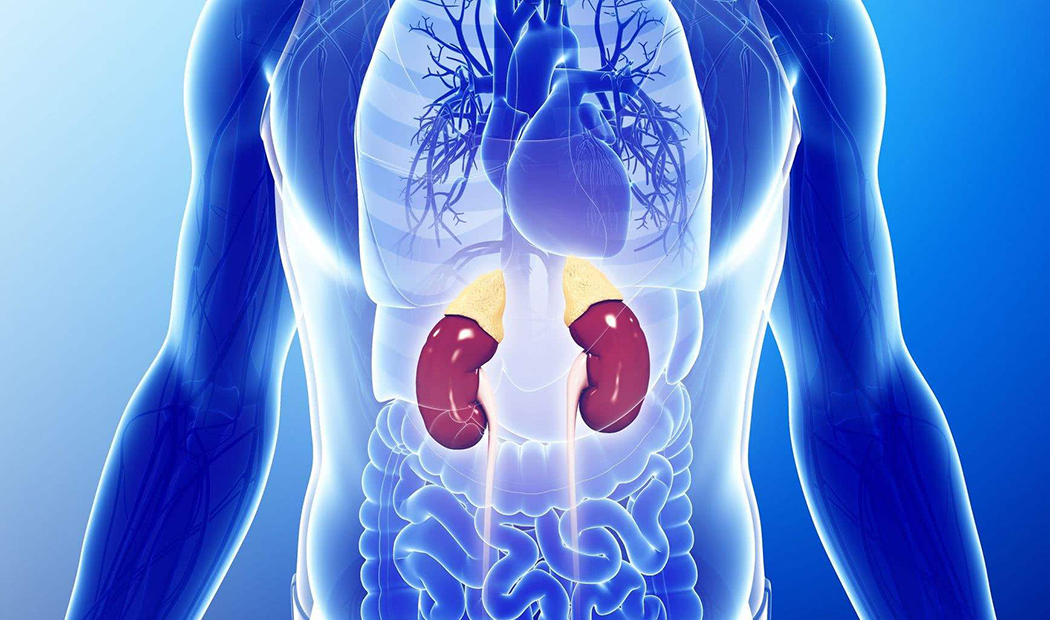
The research object of traditional Chinese medicine nephrology is the innate foundation of the human body - the kidney. The scope of research includes the interpretation and standardization of the basic academic concepts of the discipline, the theory of kidney visceral manifestation, and the diagnosis, etiology, pathology, syndrome differentiation, treatment principles, treatment methods, prescriptions, prognosis, modulation and other aspects of various kidney diseases. At the same time, modern scientific means are used to study its pathogenesis and pharmacology to further improve the clinical efficacy.

Monday, January 22, 2024

Acupuncture for Kidney Disease: A Comprehensive Overview


Acupuncture, a traditional Chinese medicine practice, has been used to treat various health conditions, including kidney disease. While the scientific community is still exploring the mechanisms behind acupuncture's effects, many patients report significant improvements in their symptoms and quality of life after undergoing this treatment. In this article, we will explore the role of acupuncture in managing kidney disease and its potential benefits.

How Does Acupuncture Work?

Acupuncture involves inserting fine needles into specific points on the body to调和身体的气血(regulate the flow of qi and blood)and balance the body's energy. This process stimulates the body's natural healing abilities and can help to relieve pain, improve circulation, and调和身体器官的功能(regulate organ function).

Benefits of Acupuncture for Kidney Disease

Relief of Pain and Discomfort: One of the most common complaints among kidney disease patients is pain and discomfort in the back, waist, and hip areas. Acupuncture can effectively缓解这些疼痛(relieve these pains)and improve comfort levels.

Management of Chronic Kidney Disease (CKD): Patients with CKD often experience various symptoms, such as fatigue, loss of appetite, and difficulty sleeping. Acupuncture can help to改善这些症状(improve these symptoms), enhancing overall well-being and quality of life.

Regulation of Fluid Balance: Managing fluid balance is crucial for kidney disease patients, as excessive fluid can lead to swelling and edema. Acupuncture can调节身体的液体平衡(regulate fluid balance in the body), reducing the need for dialysis or other medical interventions.

Stress Relief: Chronic stress can have a negative impact on kidney function and overall well-being. Acupuncture has been shown to effectively缓解压力(reduce stress), promoting relaxation and a sense of well-being.

Improved Sleep: Disturbed sleep is common among kidney disease patients, leading to fatigue and decreased quality of life. Acupuncture can调节睡眠质量(improve sleep quality), leading to more restful nights and improved daytime function.

Complementary Therapy: Acupuncture can be used as a complementary therapy alongside conventional medical treatments for kidney disease. It may enhance the effectiveness of conventional therapies and reduce the need for medication, particularly in managing pain and discomfort.

Conclusion

Acupuncture offers a promising complementary approach for managing kidney disease. It has the potential to缓解疼痛和不适感(relieve pain and discomfort), improve overall well-being and quality of life, and regulate various symptoms associated with kidney disease. However, further research is needed to confirm the long-term benefits of acupuncture in kidney disease management and its role in reducing the need for conventional medical interventions. It is important to consult with a qualified acupuncturist and conventional healthcare provider to determine the best treatment plan for individual patients.

About Traditional Chinese Medicine Nephrology


Traditional Chinese Medicine Nephrology is a clinical discipline that is based on the basic theories of traditional Chinese medicine, based on the physiological characteristics and pathological changes of the kidneys. It inherits the theories and clinical experiences of ancient and modern medical experts on kidney disease, and combines modern medical research results to systematically describe the etiology, pathogenesis, syndrome differentiation and treatment, principles, prescriptions, outcomes, and prognosis of traditional Chinese medicine kidney system (regulating water) diseases. It is an important branch of traditional Chinese medicine internal medicine.

Treatment Principles of Traditional Chinese Medicine and Western Medicine for Kidney Disease

From the perspective of treatment principles, traditional Chinese medicine adopts methods such as protecting the kidneys, tonifying the kidneys, warming the kidneys, diuresis, dispelling dampness, detoxification, etc., while Western medicine adopts methods such as protecting kidney function, protecting residual renal units, anti-infection, diuresis, and reducing swelling. The two treatment approaches and principles share the same goal.

In summary, traditional Chinese medicine and Western medicine are essentially consistent in their understanding of the kidney's regulation of water and the normal metabolism of fluids. Traditional Chinese medicine emphasizes holistic observation, dialectical thinking, and clinical practice research, providing a systematic basis for understanding the physiological and pathological laws of kidney regulating water. Modern Chinese medicine has made some progress in the substantive research of kidney regulating water. The thinking of Western medicine is based on practical research, utilizing modern science and technology to objectively and microscopically understand the kidney, and developing to understand the kidney at the cellular and molecular levels. This article discusses the physiological function, pathological manifestations, and treatment principles of the kidney from different perspectives and methods, enriching the understanding of the pathological physiology of the kidney and improving the clinical level of kidney disease treatment.

Saturday, January 20, 2024

Treatment Principles of Western Medicine for Kidney Associated Disease


The treatment principles of Western medicine for kidney, ureter, bladder, and prostate diseases caused by various reasons include protecting kidney function, maintaining water electrolyte balance and acid-base balance, anti-infection, diuresis and swelling reduction, and dilating vascular smooth muscle. For patients with complete anuria, hemodialysis, peritoneal dialysis, and kidney transplant have been used to maintain the relative balance of fluid metabolism, saving many patients.

Friday, January 19, 2024

Treatment of Renal Dysfunction in Regulating Water


In the treatment of renal dysfunction in regulating water, clinical doctors always adhere to the principle of treating both the symptoms and the root cause, and protecting the kidney and strengthening the foundation. For patients with insufficient kidney Yang, such as frequent urination, high urine output, nocturia, or low urine output, the method of warming the kidney and assisting Yang should be used; For those who experience enuresis and incomplete urination due to the lack of solid kidney Qi, the method of tonifying the kidney and solidifying the astringency should be used. For those with edema and diarrhea caused by spleen and kidney Yang deficiency, the method of tonifying the spleen and kidney is used; For gonorrhea caused by incomplete dripping, astringency in urine, and stinging pain in urine, it is recommended to clear heat and dampness, warm yang, transform qi, and clear the gonorrhea. For those with kidney deficiency, it is recommended to tonify the kidney, firm the astringency, and clear the gonorrhea. The above dialectical rules have a good effect on the recovery of kidney function in regulating water.

Thursday, January 18, 2024

The etiology, pathogenesis, and clinical manifestations of renal damage

The abnormal metabolism of kidney fluid in Western medicine ultimately leads to kidney damage, which can be caused by two types of causes: primary kidney disease and secondary kidney disease. Primary damage caused by various infections, poisoning, tumors, deformities, hypertension, diabetes and immune disorders, urinary tract stone obstruction, and drug damage to the kidneys, ureters, bladder, prostate, and other parts is the most common cause of kidney damage. Clinical pathology shows glomerular membranous hyperplasia or fibrosis, manifested as crises such as polyuria, oliguria, nocturia, incomplete urination, frequent urination, urgency, painful urination, anuria, edema, heart failure, pleural and ascites. Laboratory examination showed hematuria, proteinuria, tubular urine, elevated level of blood urea nitrogen, non-protein nitrogen, and creatinine, decreased creatinine clearance rate, obstructed or low-level straight lines on the renal , and shrunk or enlarged renal image on both kidneys on ultrasound. Renal damage with clear etiology through routine examination is likely to lead to water sodium retention, acidosis, hyperkalemia and other serious electrolyte disorders. If not properly treated, the condition will worsen. This also fully demonstrates that the kidney plays a dominant role in water metabolism, and the organ damage affected by kidney damage is severe, with prominent manifestations being abnormal water metabolism.

Both the etiology of traditional Chinese and Western medicine emphasizes internal factors. Renal damage caused by external factors has different clinical manifestations and pathological mechanisms. Although the explanations are different, they all emphasize that renal damage is the main cause, and urinary incontinence, edema, and other factors are mostly related to the kidneys.

Wednesday, January 17, 2024

The Etiology, Pathogenesis, and Clinical Manifestations of Kidney Dysfunction in Regulating Water

Clinical doctors discuss about kidney dysfunction in regulating water. Initially, it is often caused by the invading exogenous wind-evil, resulting in wind-cold or wind-heat. When it enters the body, it transforms into heat toxin, causing imbalance of Yin and Yang in the body, deficiency of kidney YangQi, loss of kidney Yin, and abnormal transformation of kidney Qi and Heat so as to result in insufficient spleen Yang, loss of circulation and regulation, dysfunction of the lung’s regulating waterways, loss of opening and closing of the kidneys, accumulation of water and dampness in the body, and even overflowing skin to form edema.

If the kidney loses the role of vaporization for a long time, the essence in the turbid cannot rise again, and the turbid in the turbid cannot fall in the bladder, and the water-dampness will stagnate into wet turbidity, forming water poison and retention in the body, which is the pathogenesis of water poison retention in renal failure. Kidney Qi deficiency and kidney failing to store can be observed clinically, including oliguria or polyuria, enuresis, incomplete dribbling of urine, weak urination, urinary incontinence, frequent urination, nocturia, retention of urine, difficulty in urination and nausea, and other symptoms. If the kidney Yang does not rise, the heart yang also does not rise, the Yang Qi is deficient and weakened, the water and cold do not dissolve, and it flows up to the heart so as to cause palpitations, wheezing, edema, and other symptoms of water Qi affecting the heart. If there is improper diet, occasional joy and anger, and irregular deficiency cold, it can lead to kidney deficiency, bladder dampness and heat, frequent urination, burning and dripping urine. This disease is located in the kidneys and bladder, due to damp heat and internal kidney deficiency.

Massaging the Yongquan acupoint is beneficial for the kidneys

Massaging the Yongquan acupoint is beneficial for the kidneys. The following are the methods for massaging the Yongquan acupoint: Rubbing...